Introduction
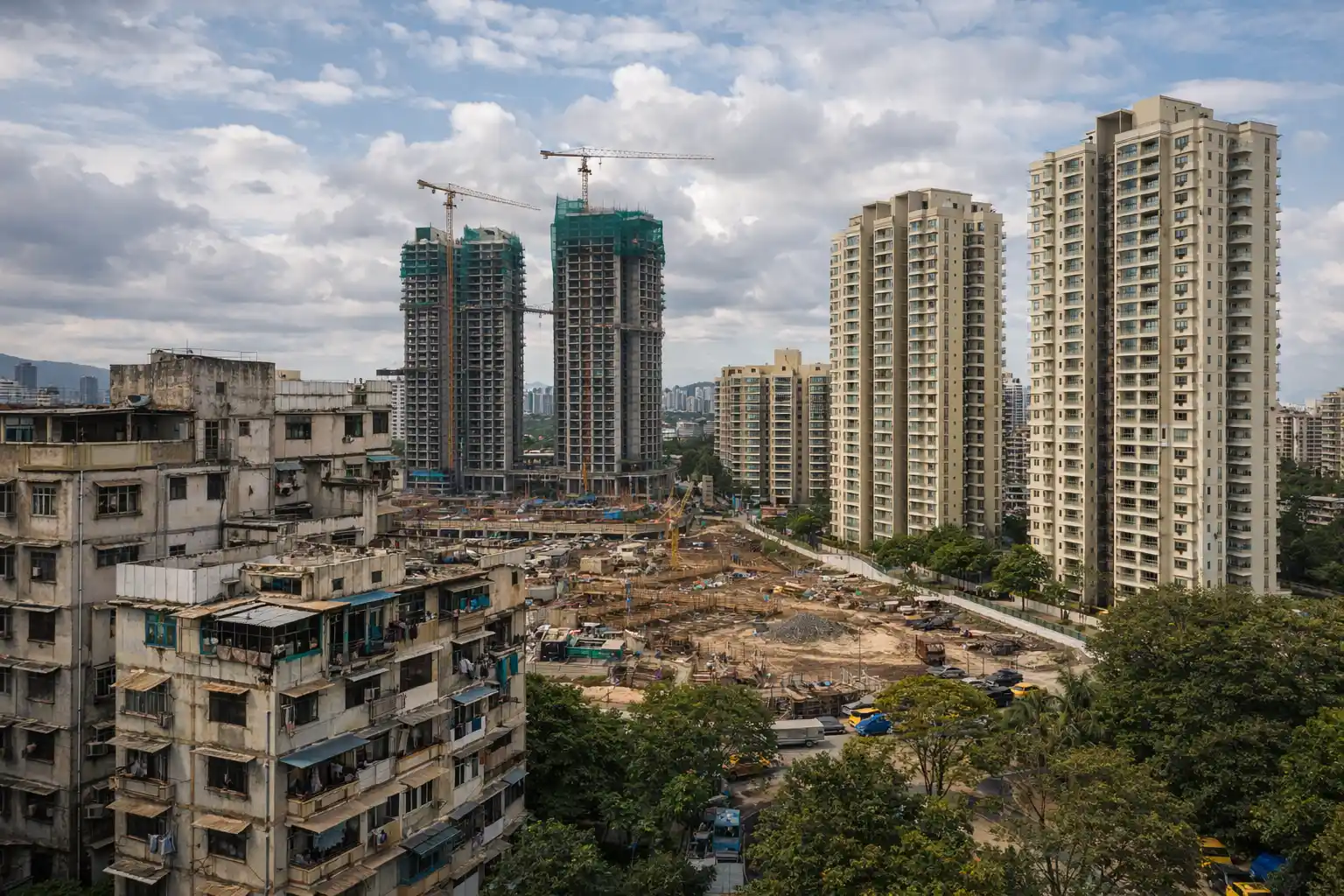
Across Mumbai, many residential buildings are ageing. Cracks in walls, outdated electrical systems, lack of lifts or parking, and rising maintenance costs are now common concerns for housing societies. For many residents, redevelopment is no longer about luxury—it is about safety, comfort, and future readiness.
Redevelopment may sound complex, but at its core, it is simply the process of replacing an old structure with a new, safer, and better-planned building while allowing residents to continue living in the same location. When approached with clarity and preparation, redevelopment can be a smooth and positive journey.
This blog explains the redevelopment process step by step, in simple language, so societies can understand what to expect and how to plan confidently.
Step 1: Understanding Why Redevelopment Is Needed
Most buildings constructed decades ago were built using standards that no longer meet today’s safety and lifestyle needs. Over time, issues such as structural wear, water leakage, outdated fire systems, and limited amenities begin to affect daily life.
Common reasons societies consider redevelopment include:
- Structural ageing and safety concerns
- Increasing repair and maintenance expenses
- Lack of lifts, parking, or modern facilities
- Smaller homes that no longer suit present-day living
Redevelopment allows residents to upgrade their homes without giving up their familiar neighbourhood.
Step 2: Building an Agreement Within the Society
Redevelopment affects every member of a housing society. That’s why internal agreement is the foundation of the entire journey.
This stage involves:
- Open discussions among members
- Addressing concerns related to timelines, temporary relocation, and entitlements
- Passing resolutions through proper general body meetings
Clear communication at this stage prevents misunderstandings later and ensures that everyone moves forward together.
Step 3: Preparing the Society for Redevelopment
Before approaching a developer, societies must ensure their records and documents are in order. This preparation helps avoid delays once the process begins.
Key preparation steps include:
- Updating society records and ownership details
- Ensuring conveyance and property documents are clear
- Appointing professional advisors, such as legal experts or project consultants
Good preparation creates a strong foundation for a smooth redevelopment journey.
Step 4: Selecting the Right Development Partner
Choosing a redevelopment partner is one of the most important decisions a society will make. This choice should be based on experience, execution capability, and approach—not just attractive promises.
A reliable redevelopment partner typically offers:
- Experience with similar housing society projects
- Strong understanding of approvals and regulations
- Transparent communication with residents
- Focus on construction quality and timelines
Developers with a structured and responsible redevelopment approach, such as Aztec Developers, are often preferred by societies that value planning, technical clarity, and long-term trust.
Step 5: Planning the New Building
Once a development partner is finalised, planning begins. This is where the future home starts taking shape—on paper.
Planning includes:
- Designing modern, efficient home layouts
- Ensuring better ventilation, safety, and natural light
- Planning lifts, parking, and common areas
- Complying with current building and fire safety norms
This stage is important because thoughtful planning improves not only comfort, but also the long-term value of the property.
Step 6: Approvals and Permissions
Redevelopment projects require approvals from various authorities. This stage often takes time and patience, but it is essential for legal and structural compliance.
Approvals may relate to:
- Municipal permissions
- Fire and safety clearances
- Environmental and structural approvals
While this phase is largely handled by professionals, societies benefit from being kept informed through regular updates.
Step 7: Temporary Relocation of Residents
Once approvals are in place, residents temporarily move out to allow construction to begin. This is one of the most sensitive stages of redevelopment.
A well-managed relocation process includes:
- Clear rent compensation terms
- Defined payment timelines
- Support for senior citizens and families
When handled with empathy and transparency, temporary relocation becomes far less stressful for residents.
Step 8: Construction of the New Building
With the site cleared, construction begins. This is where the transformation from old to new becomes visible.
Key aspects of this phase include:
- Regular quality checks
- Safety measures at the site
- Progress monitoring
- Timely updates to society members
Quality construction ensures that the new building is safe, durable, and built to serve residents for decades.
Step 9: Returning Home
After construction is completed and occupancy approvals are received, residents move back into their new homes.
This phase typically involves:
- Final inspections
- Handover of new apartments
- Support during reoccupation
For residents, this moment marks the completion of a long but rewarding journey—from an ageing building to a modern, secure home.
Step 10: Life After Redevelopment
Redevelopment does not end with possession. A well-executed project improves everyday living for years to come.
Benefits of redevelopment include:
- Safer structures built to modern standards
- Improved lifestyle amenities
- Lower maintenance in the initial years
- Better long-term property value
Most importantly, residents enjoy renewed confidence in their home and community.
Redevelopment Is a Journey, Not Just a Project
Redevelopment is not simply about replacing a building—it is about upgrading safety, comfort, and quality of life while preserving the community residents call home.
The right professional guidance, transparent communication, and execution discipline make all the difference between a stressful experience and a successful transformation.
Final Thoughts
From the first discussion to returning home, redevelopment involves many steps—but each step serves a purpose. Understanding the process helps housing societies make informed decisions and move forward with confidence.
If your society is beginning to explore redevelopment, taking time to understand the journey today can lead to safer, better homes tomorrow.
If your housing society is considering redevelopment and wants clarity on the process, timelines, and planning approach, it is always helpful to consult experienced redevelopment professionals early. A well-informed start sets the tone for a smoother and more confident redevelopment journey.